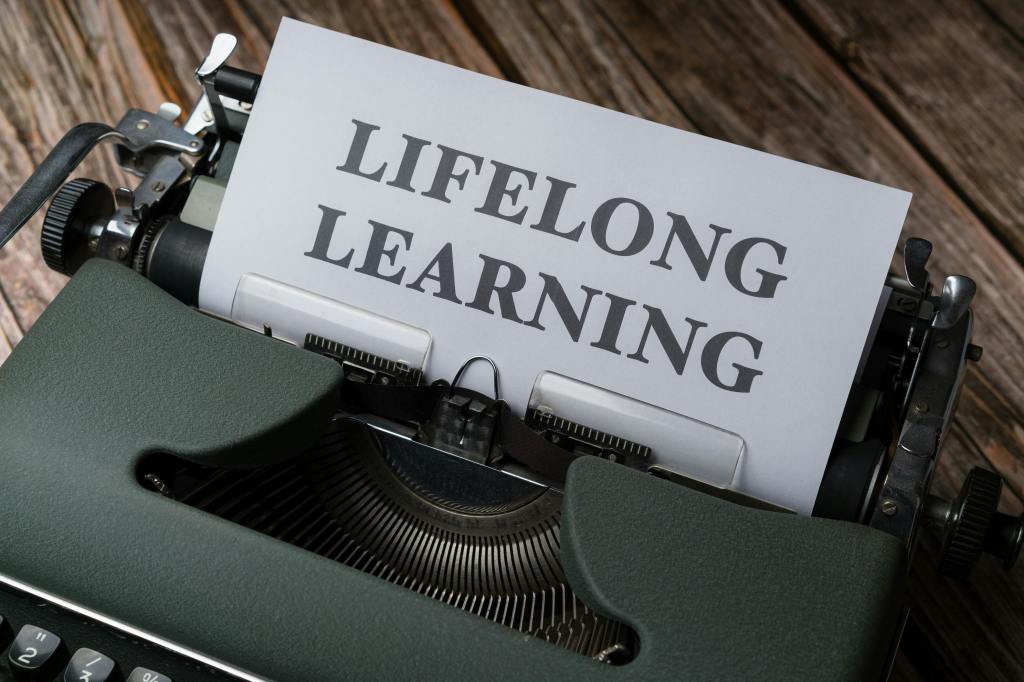
I first experienced a lesson completely devoid of textbooks or blackboards during my first year of veterinary school. I was with Doctor Davis in a horse stall. I learned more in that hour than in any classroom hour in my life.
Dr. Davis had cared for the mules in Merrill’s Marauders’ march across Burma during WWII. He couldn’t carry a library, not even a textbook. He had the knowledge and the will to add to his database when he encountered new problems.
I should not have been surprised when I kept learning things once I started in practice. I shouldn’t have been, but I was. Most of the time, it is called experience.
It came in many forms, and usually at unexpected times. They were lessons that, in most cases, were never forgotten.
Some were simple, common-sense things. Things I should have known from the comic strips I read as a child.
Don’t use a plastic feeding tube on an old goat; he will eat it. I kicked myself on that one as I looked at the missing end of the esophageal feed tube. Thankfully, someone designed the rumen with a reticulum to handle such carelessness.
Other lessons were learned from listening to the voice of past instructors. “If you haven’t accomplished the task in twenty minutes, rethink what you are doing, and try a different way,” Dr. Aness would say.
That voice came to me many times, mostly during difficult deliveries when sweat was dripping off my eyebrows and clouding my vision. I was usually well past twenty minutes before my mind would allow those random thoughts to filter through. I often learned I could accomplish things of my own invention, often these were better techniques that I would continue to use in practice.
Probably the hardest lessons for me to learn in practice, and the most expensive, were in judging people,
Life was simple when and where I grew up. Men were mostly good, and women. But there were a few bad apples. A man’s handshake was stronger than any lawyer’s paper. Once a man was categorized, there was little that could change his position.
It took me a long time to learn that there are men who can look you in the eye, shake your hand, and lie through their teeth.
Ed brought in a dog with a fracture of the femur, the thigh bone, on its left hind leg. The dog had been in the pasture chasing Ed’s horse. Ed shot at him with a twenty-two, trying to scare the dog enough for it to quit chasing the horse.
The problem was that Ed was a poor shot and hit the dog. Probably lucky he didn’t hit the horse. That should have been my first clue. I shook my head in disbelief as Ed told the story. How could anyone be that stupid, I thought.
We reviewed the X-rays of Wolf’s fracture together. I explained that the fragmentation at the fracture site made this a difficult repair. And I explained that it was probably at the edge of my capability with what I had to work with at this clinic. He might be better off seeing Dr. Barclay Slocum in Eugene.
“That might be over my budget,” Ed said.
I thought that was a bit of honesty,
“It is not going to be exactly cheap here,” I said. “And I have to work on a cash or check basis.”
“What do you think your fees will be?” Ed asked.
“I think we will be looking at something between five and six hundred dollars,” I said. I knew this was a high fee for Sweet Home in 1977. Often, if the bill was over one hundred dollars, we would end up talking about euthanasia. “I am going to have to wire those big fragments together, place an intramedullary pin in the bone, and to help stabilize everything, I will use a Kirschner half-splint. That is going to involve a lot of surgery time and a lot of follow-up visits, both surgical and medical.”
“Okay, when can you get it done?” Ed asked.
“I can do the surgery this afternoon,” I said. “If everything goes well, Wolf can go home in the morning. We can get things started if you can leave a check with the front desk.”
“I left my checkbook at home,” Ed said. “Is it okay if I bring it in the morning?”
“Okay,” I said. “I will give you a call when I’m out of surgery, and you need to call in the morning to make sure Wolf is ready to go home. Call about mid-morning.”
“Sure, and I will bring a check in the morning,” Ed said as he extended his hand.
I shook his hand and felt better about the ‘check coming in the morning’ comment.
Surgery went well. It had not been too long since I was in school, so the repair was fresh in my mind, but it was definitely the most difficult fracture repair I had been involved with.
The following morning, Wolf was up and looking for breakfast. He was using the fractured leg more than I would like, but I got him ready to go home.
Ed came to pick him up. No checkbook again.
“I’ve run into some problems, Doc, but I should be able to get you paid at the next visit,” Ed said as he extended his hand again. I shook his hand, knowing that he had probably taken me to the cleaners. I couldn’t undo the surgery, and keeping the dog was not an option for the clinic at this point.
Making a long story short, Ed never paid. Each visit, he had an excuse. When Ed walked out the door the last time with a normal Wolf in tow, he never looked back. The collection agency didn’t have any better luck.
That was a significant loss for a new clinic still working to get our feet on the ground. I wish I had learned, but there were several more episodes very similar to it before I finally realized that not everyone was raised like me.
Prologue: This story was first published on March 6, 2023. It was inspired to be republished by a recent post by equipsblog titled Dockmaster in Charge. Mine is a somewhat sad story the illustrates man’s inhumanity to life around him.
D. E. Larsen, DVM
It was the third week of the fly-tying class I took through Linn Benton Community College. The course was conducted in the evening at Sweet Home High School.
“Tonight, we are going to tie a popular nymph, the tied-down caddis,” Red said as he laid out his materials. “Most of the skills you need for this fly have already been covered in the first two classes. We are going to learn one more skill tonight. That will be dubbing fur. Actually, we dub a lot of different materials in this day and age. But tonight, we will be using rabbit fur that is dyed yellow. It’s a simple technique useful for the bodies of many flies you will tie.”
Red was almost famous among the Sweet Home fishermen. He fished with flies exclusively, and this class not only covered the tying of those flies, but it also covered a lot of fishing techniques and local secrets.
We quickly reached the point where we waited for Red to demonstrate his fur dubbing.
“Before we wrap the body, we need to tie in the back feather,” Red said. “This material I will give you tonight is precious to me. I came across a dead blue heron on the river some years ago. I gathered his flight feathers. That is illegal, but like many things, only if you get caught. These feathers have proved perfect for the tied-down back of this nymph. The feather’s barbules collect small air bubbles, making this nymph more life-like. The fish just can’t resist it.”
Red carefully dispensed five or six barbs from his feather supply to everyone in the class. The law protecting birds extends to dead birds. This is to prevent people from shooting a bird for its feathers, claiming they found it dead. So, if you find a dead bird, you should just leave it in place.
“A lot of guys get a little fancy with their dubbing, and they make a long thread loop that they use to hold the material a little firmer,” Red said. “I consider that unnecessary. I just apply wax to the thread and roll the fur onto it between my two fingers. Then you wrap the body. Many bodies you wrap will be tapered, but we want an even body over the entire length of this fly.
We tied in the blue heron feather’s barbs at the fly’s tail end. After we dubbed a body of yellow fur and wrapped the body, we tied the thread in at the head, then bending the backing feather over the top of the dubbed body, we tied them down and wrapped the head.
The fly was finished with glue applied to the head. A perfect tied-down caddis. A common insect in the local streams and a trendy food item with the local fish.
I started fly fishing when I was eleven years old, at the suggestion of my newly acquired brother-in-law. I purchased a fly rod, reel, and a double tapered fly line, size H-G-H. That sizing system went by the wayside years ago.
Following this class, I tied flies for many years. I tied fly rods for the kids from fiberglass blanks, and we fished local waters and the high lakes for years.
***
A year or two following that class, June called the clinic. I heard Ruth on the phone.
“Doctor Larsen doesn’t do birds except for farm birds like chickens, turkeys, geese, or ducks,” Ruth said.
After listening again, Ruth sat the receiver down and stepped back to talk with me.
“It’s June on the phone,” Ruth said. “They caught a blue heron at their pond. It has a broken leg and is in pretty bad shape. I tried sending them elsewhere, but she would like you to look at the bird for them.”
I rubbed my forehead with my left hand. I didn’t want it known that I would look at birds and I was not authorized to treat wildlife. But June and Bob were good clients, and this could be considered a farm bird, with a little stretch of one’s imagination.
“Okay, tell her I will look at the bird as a special favor,” I said. “But make no promises regarding treatment.”
“She sounds like this bird is in bad shape,” Ruth said. “I can’t imagine one of these birds just letting someone pick them up.”
It wasn’t long, and June was in the reception area with a frail blue heron in her arms.
When I got to the exam room, the bird was lying on the exam table, his right eye following my every movement.
“We have seen him several times in the last week,” June said. “But today, he was in the small pond by the house, and Bob just went out and picked him up. He is skin and bones, and that leg looks beyond repair to me, but I will leave that decision to you, Doc.”
June’s assessment was pretty accurate. This bird was, indeed, skin and bones. I am not sure that I had seen a bird this emaciated before. And his right leg was not only fractured, but it was hanging by a strip of tissue on the medial side of the leg. It looked like it had been shot, and judging from the curvature of the remaining bone, I would say it had been shot with a thirty-caliber rifle. The bone was black on both sides of the fracture, and if there was any circulation in the distal leg, it was marginal at best. There would be no repairing this leg.
“This leg is toast, and this bird is starved to death,” I said. “I think it needs to be put to sleep.”
“That was our thought,” June said. “We didn’t want to do it and then get into trouble.”
“I’m sort of in the same boat,” I said. “I have no special protection from prosecution for a wildlife violation. I guess I better make a telephone call.”
I called the Oregon State Police office in Albany, and with luck, I was able to speak with the game officer.
“This is Doctor Larsen in Sweet Home,” I said. “I’m a veterinarian, and I have a client who brought in a blue heron this afternoon. This bird is emaciated and has had one leg nearly shot off. It is hanging by a thin strap of tissue. From the look of things that happened several weeks ago, it looks like a wound from a thirty-caliber bullet.”
“That sounds pretty bad for the bird,” the officer said. “We always seem to have a few idiots around that think it’s fun to shoot something like that.”
“This leg is not repairable, and this bird is not going to live long in its present condition,” I said. “I think I should put it to sleep.”
“If you are asking permission, I can’t give you that, but I will assure you that I won’t ticket you for doing it,” the officer said.
“Fair enough,” I said. “I would feel better if you were here so I could shake your hand on that, but I guess I trust your word.
“You have my word,” the officer said. “How do you dispose of the body?”
“All the animals that die here are either returned to the owner, or they go to the county for cremation,” I said.
“That’s good; send the bird for cremation, don’t return it to the client,” the officer said.
“Thanks for your time. That is what will be done,” I said.
“The game officer agreed that euthanasia was the best option for this bird,” I said. “I will put it to sleep and send it for cremation.”
I returned to the exam room and told June what would happen.
“Do we owe you anything?” June asked.
“No, I can’t charge you for something that I am not authorized to do in the first place,” I said. “Thanks for bringing in the poor guy. His end of life will be more pleasant than starving in a pond somewhere.”
June left, and Ruth stayed with the bird as I retrieved a dose of euthanasia solution. Finding his heart was no problem, with no muscle on his breast. I steadied the heart with my left hand and inserted the needle with my right. The bird was gone before the injection was complete.
“I will grab a bag for him,” Ruth said. “I think we already have the county coming in the morning. The freezer is almost full.”
I stood at the table, remembering Red’s comments about his blue heron feathers. “This guy will be cremated tomorrow,” I thought to myself. “Who would know.”
This is from the Archives, this was my first story on this blog, essentially unchanged except for this note. Let me know if there is any difference in the writing, etc. There was no photo with this story.
Manure piles were (and still are to some extent) standard fare on Oregon farms. They were located around the barn somewhere and served multiple uses. They came in many shapes and sizes. Smaller places had a simple pile outside a doorway where the barn was cleaned. Larger farms had more elaborate piles. In my experience their edges were the easiest place to collect a can of worms for a day’s fishing. They also were used to dispose of small animals that were casualties during the year on the farm. They were the ultimate compost piles.
Gus was a typical barn cat. Well past middle age when I first met him when I came to Sweet Home in 1976. Gus was lucky to have been neutered early in his life, but still had his share of scraps defending his turf. He was nothing special, gray tabby in color and not large, maybe 8 pounds. He lived with his extended family on a small acreage on a hill outside of Sweet Home. Grandma and Grandpa lived on the “farm”. Not much of a farm, but enough for a few cows and sheep and a small barn. The son and his family lived about a quarter mile up the road on a neighboring taxlot. When Gus came to the clinic he came with Carol, the daughter-in-law.
Over the first few years of practice in Sweet Home Gus was approaching his golden year. In those times I didn’t see neutered male cats over 15 years of age. This was before the advent of the feline leukemia vaccine, and diets did not address urinary tract and heart issues. For barns cats to reach that age was truly exceptional.
One cold winter morning Grandpa hurried into his pickup truck in the carport on the side of the barn. It was cold and he was anxious to get the truck started. “Thump, thump” came from under the hood. Gus had sought the warmest spot he knew of to sleep the night before. The warm engine block was one of his favorites. Usually able to scramble out before the engine started, this morning it didn’t work.
Grandpa knew what the noise meant, he had seen more than one cat caught in a fan belt on cold mornings. He was disappointed when he found Gus, he had been such a good cat. Gus was a mess, broken leg with bone poking out, left eye hanging out of the socket, several large lacerations and bleeding from his mouth. In Grandpa’s mind there was only one thing to do. Picking up a hammer, he made a quick whack to the back of Gus’ head. Disposal was easy. Gus’ final resting place was the manure pile on the other side of the barn.
In most cases that would be the end of the story, but remember, cats have 9 lives. Gus had already used several of his just surviving to this advanced age. Now he would need to cash in all the others.
Carol had noticed that Gus had not been to his dish on the back porch for several days. She mentioned his unusual absence to Grandpa. Grandpa was quiet, knowing the she would have rushed Gus to clinic and spent a lot of money on an old cat.
The next morning, she heard a noise on the porch. She opened the door and was aghast at the scene. There was Gus. Covered with manure, left eye hanging out, broken and torn. How had he managed to make it to the door? How had he known which door was the one to provide him help? She carefully boxed Gus and headed for the clinic. Grandpa was outside as she drove by so she stopped to show him what she had found. Grandpa had no choice but to confess. He said that the vet could do a better job than him, assuming that Gus would be put to sleep. In those years, in Sweet Home, if a cat couldn’t be fixed for $100.00 it probably was not going to be fixed. Gus would surely be well over that figure.
Carol laid Gus on the exam table and related the story. Gus looked hopeless to me. She wanted to know her options. Gus was a pitiful sight as he lay on the table, looking cautiously at me out of his one good eye.
“What are your options, Gus?” I thought to myself as I pondered the situation.
My initial thought that Grandpa had Gus’ best interest at heart, he just didn’t do the job very well. I’m not sure that was what his owner wanted to hear.
“We have a lot problems here” I started. “Contaminated compound fracture of the tibia, fracture of mandible, eye that needs to be removed, broken teeth and multiple lacerations that are very contaminated. The first question we need to discuss is do we want to put him through all this over the next few weeks?”
Carol was quick to respond, “We are not going to put him to sleep, not until we don’t have any other option. I don’t care what it costs. If we have to, Grandpa can log a few trees. That’s the least he can do after what he did to this cat.”
I knew Grandpa. He would log his trees for his family or for the Grandkids. I wasn’t so sure about a cat.
Now we were on to option number 2. Referral was out of the question. There were no specialty clinics around at that period of time. If Gus was going to survive it was going to be by my hands only.
“We have several things to do, first we need to sedate him and get him cleaned up, get him on some fluids and antibiotics.”
“The wounds are too contaminated to close; if we clean them up and remove the grossly contaminated tissues, they will heal if he lives long enough.”
“I can probably wire the jaw and remove the broken teeth. The eye is toast and has to go.”
“The fractured tibia is too contaminated to fix, the ends of the bones are likely dead, The leg has to go.”
Carol finally spoke, ” I want to save the leg!”
“Can’t be done.” I responded.
Again Carol spoke, “I want to save the leg, we can try!”
“Okay, we can try, but if it happens it will be a miracle. And the leg will be short. We will try. He will have to stay a few days. I don’t know what this will cost.”
Carol left, convinced that Gus was going be back to his old self in a few days. Might take a little longer than that, I thought.
We sedated him with a dose of Ketamine and got him under the spray nozzle in the tub. After cleaning the manure and dirt, it looked like things were almost doable. We got him dried off and an IV started. Antibiotics on board and warmed up a little, he was ready for the first of several procedures.
Putting Gus on some gas anesthesia, we started cleaning wounds. Shaving hair from the wounds. We removed contaminated tissues and packed with Furacin Ointment (the best topical antibiotic ointment I had at the time).
I worked on the tibia next. The ends of the bone were dry and brown with debris stuffed into the ends. I cleaned the wound as best I could. Calculated that I would have to removed bone from both exposed fragments. I couldn’t make myself think this was going to be anything but a waste of time. We packed the wound with antibiotic ointment and would do the repair tomorrow.
The left eye was hanging out of the socket and did not require much to remove. Placed a single suture around the optic stalk and removed the eye. I could deal with closing the socket later.
The mouth was clean compared to the rest of the cat. Gus was missing both upper canine teeth and one lower canine tooth. His jaw was fractured on the left side and separated at the symphysis (the mid point at the front of jaw were the mandible bones join in a non movable joint).
The symphysis was repaired by passing a 20 gauge wire around the mandibles just behind the lower canine teeth, exiting on the ventral midline where I twisted the ends to tighten the ligature, cut the ends short and buried with a single suture. The fracture of the mandible was stabilized by wiring around two teeth on each side of the fracture. Probably will need to do more but later.
The next morning Gus was looking pretty good and actually was ready to get out of here and back to his barn. We gave him a few laps of gruel and continued the fluids. We were going to tackle the leg later today. I still felt this was a waste of time.
With Gus under anesthesia, I went to work on the exposed bone. To my surprise, I did not have to trim too much bone before I came to bleeding bone. The marrow cavity appeared pretty clean with the superficial debris was removed. I repaired the fracture with a threaded intramedullary pin. Inserted at the knee and threaded down the marrow cavity to the fracture site. Placed the ends of the exposed bone into normal position and seated the pin into the distal fragment. This was the common repair at that time. We will have problems due to the contamination at the fracture site. I cleaned up the wound as best we could and closed this wound.
Gus was ready to go home for a few days before we started the next round of repair and treatment.
Both Carol and Gus were happy to see each other. Gus was actually stepping on the fractured leg. Cats always make surgeons look like they know what they are doing.
Over the next few weeks, Gus became a standard visitor to the surgery room. We would clean on his open wounds, which were granulating well. We closed his eye socket and placed an additional wire in his jaw to improve the repair. On each visit I was more and more cautious on how the leg was healing. The soft tissues were looking good but I was still skeptical about the bone. Carol was in great spirits, and I think that Grandpa was getting to come out of the doghouse once in awhile.
Finally, push comes to shove. Time to x-ray the leg to see how the repair is going. Gus is still quite a sight. One eye and one lower canine tooth protruding out on the outside of his upper lip. Larges patches with no hair, but the wounds are mostly healed. Probably as good as they would have healed had they been sutured. He would purr and he was bearing weight on the fractured leg.
The x-rays were better than I expected. There was some healing but not what was needed. We would have to try something different.
So at 6 weeks from the time of injury I removed the IM pin. There was a pretty good fibrous union of the fracture, but no boney union. The next try was an external fixation device, 4 small pins driven into the bone, 2 above and 2 below the fracture site and bolted to an external pin to fix the bones in position. A tall order for a cow doctor but I got it done.
Another 4 weeks and we were done. The leg was healed, Gus was happy, Carol was happy. I don’t know about Grandpa. The total dollars are lost to a clouded memory. Anyway, it was never about the money.
The last time I saw Gus was almost a year later. Into his golden year now, and with none of 9 lives to spare, he was truly an old cat. He was in for routine stuff, an abscess on the side of face, (left side, he probably didn’t see the punch coming) and tapeworms. Still defending his turf and still able to catch a mouse or two. I always wondered about his final resting place. Was it the manure pile, again?
Manure piles were (and still are to some extent) standard fare on Oregon farms. They were located around the barn somewhere and served multiple uses. They came in many shapes and sizes. Smaller places had a simple pile outside a doorway where the barn was cleaned. Larger farms had more elaborate piles. In my experience their edges were the easiest place to collect a can of worms for a day’s fishing. They also were used to dispose of small animals that were casualties during the year on the farm. They were the ultimate compost piles.
Gus was a typical barn cat. Well past middle age when I first met him when I came to Sweet Home in 1976. Gus was lucky to have been neutered early in his life, but still had his share of scraps defending his turf. He was nothing special, gray tabby in color and not large, maybe 8 pounds. He lived with his extended family on a small acreage on a hill outside of Sweet Home. Grandma and Grandpa lived on the “farm”. Not much of a farm, but enough for a few cows and sheep and a small barn. The son and his family lived about a quarter mile up the road on a neighboring taxlot. When Gus came to the clinic he came with Carol, the daughter-in-law.
Over the first few years of practice in Sweet Home Gus was approaching his golden year. In those times I didn’t see neutered male cats over 15 years of age. This was before the advent of the feline leukemia vaccine, and diets did not address urinary tract and heart issues. For barns cats to reach that age was truly exceptional.
One cold winter morning Grandpa hurried into his pickup truck in the carport on the side of the barn. It was cold and he was anxious to get the truck started. “Thump, thump” came from under the hood. Gus had sought the warmest spot he knew of to sleep the night before. The warm engine block was one of his favorites. Usually able to scramble out before the engine started, this morning it didn’t work.
Grandpa knew what the noise meant, he had seen more than one cat caught in a fan belt on cold mornings. He was disappointed when he found Gus, he had been such a good cat. Gus was a mess, broken leg with bone poking out, left eye hanging out of the socket, several large lacerations and bleeding from his mouth. In Grandpa’s mind there was only one thing to do. Picking up a hammer, he made a quick whack to the back of Gus’ head. Disposal was easy. Gus’ final resting place was the manure pile on the other side of the barn.
In most cases that would be the end of the story, but remember, cats have 9 lives. Gus had already used several of his just surviving to this advanced age. Now he would need to cash in all the others.
Carol had noticed that Gus had not been to his dish on the back porch for several days. She mentioned his unusual absence to Grandpa. Grandpa was quiet, knowing the she would have rushed Gus to clinic and spent a lot of money on an old cat.
The next morning, she heard a noise on the porch. She opened the door and was aghast at the scene. There was Gus. Covered with manure, left eye hanging out, broken and torn. How had he managed to make it to the door? How had he known which door was the one to provide him help? She carefully boxed Gus and headed for the clinic. Grandpa was outside as she drove by so she stopped to show him what she had found. Grandpa had no choice but to confess. He said that the vet could do a better job than him, assuming that Gus would be put to sleep. In those years, in Sweet Home, if a cat couldn’t be fixed for $100.00 it probably was not going to be fixed. Gus would surely be well over that figure.
Carol laid Gus on the exam table and related the story. Gus looked hopeless to me. She wanted to know her options. Gus was a pitiful sight as he lay on the table, looking cautiously at me out of his one good eye.
“What are your options, Gus?” I thought to myself as I pondered the situation.
My initial thought that Grandpa had Gus’ best interest at heart, he just didn’t do the job very well. I’m not sure that was what his owner wanted to hear.
“We have a lot problems here” I started. “Contaminated compound fracture of the tibia, fracture of mandible, eye that needs to be removed, broken teeth and multiple lacerations that are very contaminated. The first question we need to discuss is do we want to put him through all this over the next few weeks?”
Carol was quick to respond, “We are not going to put him to sleep, not until we don’t have any other option. I don’t care what it costs. If we have to, Grandpa can log a few trees. That’s the least he can do after what he did to this cat.”
I knew Grandpa. He would log his trees for his family or for the Grandkids. I wasn’t so sure about a cat.
Now we were on to option number 2. Referral was out of the question. There were no specialty clinics around at that period of time. If Gus was going to survive it was going to be by my hands only.
“We have several things to do, first we need to sedate him and get him cleaned up, get him on some fluids and antibiotics.”
“The wounds are too contaminated to close; if we clean them up and remove the grossly contaminated tissues, they will heal if he lives long enough.”
“I can probably wire the jaw and remove the broken teeth. The eye is toast and has to go.”
“The fractured tibia is too contaminated to fix, the ends of the bones are likely dead, The leg has to go.”
Carol finally spoke, ” I want to save the leg!”
“Can’t be done.” I responded.
Again Carol spoke, “I want to save the leg, we can try!”
“Okay, we can try, but if it happens it will be a miracle. And the leg will be short. We will try. He will have to stay a few days. I don’t know what this will cost.”
Carol left, convinced that Gus was going be back to his old self in a few days. Might take a little longer than that, I thought.
We sedated him with a dose of Ketamine and got him under the spray nozzle in the tub. After cleaning the manure and dirt, it looked like things were almost doable. We got him dried off and an IV started. Antibiotics on board and warmed up a little, he was ready for the first of several procedures.
Putting Gus on some gas anesthesia, we started cleaning wounds. Shaving hair from the wounds. We removed contaminated tissues and packed with Furacin Ointment (the best topical antibiotic ointment I had at the time).
I worked on the tibia next. The ends of the bone were dry and brown with debris stuffed into the ends. I cleaned the wound as best I could. Calculated that I would have to removed bone from both exposed fragments. I couldn’t make myself think this was going to be anything but a waste of time. We packed the wound with antibiotic ointment and would do the repair tomorrow.
The left eye was hanging out of the socket and did not require much to remove. Placed a single suture around the optic stalk and removed the eye. I could deal with closing the socket later.
The mouth was clean compared to the rest of the cat. Gus was missing both upper canine teeth and one lower canine tooth. His jaw was fractured on the left side and separated at the symphysis (the mid point at the front of jaw were the mandible bones join in a non movable joint).
The symphysis was repaired by passing a 20 gauge wire around the mandibles just behind the lower canine teeth, exiting on the ventral midline where I twisted the ends to tighten the ligature, cut the ends short and buried with a single suture. The fracture of the mandible was stabilized by wiring around two teeth on each side of the fracture. Probably will need to do more but later.
The next morning Gus was looking pretty good and actually was ready to get out of here and back to his barn. We gave him a few laps of gruel and continued the fluids. We were going to tackle the leg later today. I still felt this was a waste of time.
With Gus under anesthesia, I went to work on the exposed bone. To my surprise, I did not have to trim too much bone before I came to bleeding bone. The marrow cavity appeared pretty clean with the superficial debris was removed. I repaired the fracture with a threaded intramedullary pin. Inserted at the knee and threaded down the marrow cavity to the fracture site. Placed the ends of the exposed bone into normal position and seated the pin into the distal fragment. This was the common repair at that time. We will have problems due to the contamination at the fracture site. I cleaned up the wound as best we could and closed this wound.
Gus was ready to go home for a few days before we started the next round of repair and treatment.
Both Carol and Gus were happy to see each other. Gus was actually stepping on the fractured leg. Cats always make surgeons look like they know what they are doing.
Over the next few weeks, Gus became a standard visitor to the surgery room. We would clean on his open wounds, which were granulating well. We closed his eye socket and placed an additional wire in his jaw to improve the repair. On each visit I was more and more cautious on how the leg was healing. The soft tissues were looking good but I was still skeptical about the bone. Carol was in great spirits, and I think that Grandpa was getting to come out of the doghouse once in awhile.
Finally, push comes to shove. Time to x-ray the leg to see how the repair is going. Gus is still quite a sight. One eye and one lower canine tooth protruding out on the outside of his upper lip. Larges patches with no hair, but the wounds are mostly healed. Probably as good as they would have healed had they been sutured. He would purr and he was bearing weight on the fractured leg.
The x-rays were better than I expected. There was some healing but not what was needed. We would have to try something different.
So at 6 weeks from the time of injury I removed the IM pin. There was a pretty good fibrous union of the fracture, but no boney union. The next try was an external fixation device, 4 small pins driven into the bone, 2 above and 2 below the fracture site and bolted to an external pin to fix the bones in position. A tall order for a cow doctor but I got it done.
Another 4 weeks and we were done. The leg was healed, Gus was happy, Carol was happy. I don’t know about Grandpa. The total dollars are lost to a clouded memory. Anyway, it was never about the money.
The last time I saw Gus was almost a year later. Into his golden year now, and with none of 9 lives to spare, he was truly an old cat. He was in for routine stuff, an abscess on the side of face, (left side, he probably didn’t see the punch coming) and tapeworms. Still defending his turf and still able to catch a mouse or two. I always wondered about his final resting place. Was it the manure pile, again?