
D. E. Larsen, DVM
Prologue: Bovine Brucellosis is a reproductive disease of cattle. It occurs in other animals to some extent, namely, the bison of Yellowstone. Brucellosis causes Undulant Fever in man. There has been a program to eradicate the disease in cattle in this country since the 1930s. We are very close to eradication, with only a few areas of concern. Vaccination of breeding animals has been mandated for many years.
***
“Yes, this is Doctor Larsen,” I said as I answered the phone. “Just who do I have the pleasure to be talking with this afternoon?”
“This is Doctor White, I with the State Veterinarian’s Office,” the good doctor replied.
“What can I do for you guys today?” I replied.
“I was wondering if you could tell me about the brucellosis vaccination status of a heifer in one of your herds.”
“Sure, it will take me a few minutes to pull the file and go through the vaccination reports. But you guys should have all that information. I mean, after all, we are required to send you a copy of all the brucellosis vaccinations we do.”
“Well, we don’t really have a perfect file system for all those little pieces of paper. It is probably easier for you to find it than for us to find it.”
“If that’s the case, why do we have to send those in to your office?”
“That’s a different topic than what I have. I have a set of ears here, from a heifer sent to slaughter from one of your herds. She tested positive for brucellosis, and we need to investigate the herd.”
“Can you give me a herd name or number?” I asked.
“I think you have it listed under Bill,” Dr. White said.
“I don’t want to alarm you or anything, and I can look up that heifer with no problem, but I can tell you that particular herd has a bunch of cows, calves, and bulls at the State Fair right now.”
“Oh! My God, I will talk with you later. We have to get that situation under control right now.”
***
With one positive test and a set of ears from the slaughtered heifer in hand, Doctor White, with as many staff members the office could spare, headed to the state fairgrounds to save the state from a massive exposure to brucellosis.
Poor Bill, he didn’t know what hit him. They’re sitting there, resting after just getting the cattle unloaded and settled in their stall space. All of a sudden, here comes Doctor White and his growing entourage. The entourage has grown, now including several members of the fair board and their staff.
“We are going to quarantine these animals,” Doctor White said, holding up the set of ears dangling on a loop of twine. “We have to investigate a positive brucellosis test in this heifer you had slaughtered last week.”
“What are you talking about?” Bill said with a wry smile as he stood up to tower over the meek Doctor White. “She was just a heifer that we decided didn’t match up to what we wanted in our herd. There wasn’t anything wrong with her except she wasn’t pregnant.”
“She tested positive for Brucellosis,” Doctor White said. “When we have a positive test in a herd, we are required to quarantine the entire herd until we can test every animal in the herd.”
“Will she was vaccinated for Brucellosis,” Bill said. “Did you talk with Doctor Larsen?”
“I started to talk with him, and then he mentioned that you were here with a group of animals from the herd,” Doctor White said. “It became more important to get down here and isolate these animals than to finish the conversation.”
“I don’t know. It sounds to me like you should talk with Doctor Larsen,” Bill said.
“Mister Williams has a set of pens that are not in use. We are going to move your animals over there while we finish getting this case investigated,” Doctor White said.
“You can leave all your stuff here. We just need to lead these animals out of this barn and over to the small shed on the other side of the show rings,” Mister Williams said.
“Okay,” Bill said as he motioned to his crew. “But you better clear a pathway of people. A couple of these young bulls are not what you would call socialized.”
So off they go, under the watchful eyes of Doctor White and his staff. They wanted to identify any urine or manure deposited on the trip to the new quarters.
While they were watching, Doctor Edwards, a young staff member under Doctor White, took the ears from Doctor White. He carefully examined the tattoos on the ears.
“They keep talking about this being a heifer,” Doctor Edwards said. “There is a good vaccination tattoo in the right ear and identification number in the left ear. Do we know how old this heifer was when she was slaughtered?”
Doctor White snatched the ears out of Doctor Edward’s hands. “Where are you going with that question?”
“If she wasn’t two years old, she wasn’t eligible for a brucellosis test,” Doctor Edwards said. “If that’s the case, this positive test isn’t a valid test.
As soon as Bill and his crew returned to the main barn for another group of animals, Doctor White pulled him aside and showed him the ears.
“Can you identify this tattoo?” Doctor White asked.
“Yes, that’s our heifer, that’s her tattoo,” Bill said.
“How old was this heifer?” Doctor White asked.
“Hell, I don’t know off the top of my head,” Bill said. “All my records are at the house. I guess I could call my wife and see if she could find a birth date. Doctor Larsen keeps pretty good records. I am sure he would be able to give you a pretty close age.”
“Do you think she was less than twenty-four months?” Doctor White asked.
“Oh, yes, all our heifers due to calve next spring are less than twenty-four months,” Bill said.
“Well, you guys can finishing moving this bunch over to the quarantine area, and I will go to the fair office and see if I can get ahold of Doctor Larsen.”
“I am going to be pretty upset if we move these bulls over there and you come back and tell us everything is okay and we can bring them back,” Bill said with a frown on his face.
“Look at the size of these ears compared to the older cows,” Doctor Edwards said to Doctor White. “I can stay here and watch this bunch while you go talk with Doctor Larsen.”
“Okay, that will be good,” Doctor White said. “You stay here and monitor these, and I will go talk with Doctor Larsen. If his records can confirm the heifer’s age, we can remove the quarantine.”
***
“Doctor Larsen, this is Doctor White. I wonder if you can confirm the age of this heifer from Bill’s herd?”
“Yes, I have the file right here. I vaccinated this heifer last summer when she was seven months old. And then we did our pregnancy exams a month ago. She was not pregnant. My records don’t list a specific age, but based on the seven months at the time of vaccination, she was less than twenty months. Doctor White, I don’t think she is test eligible. I think a vaccinated animal has to be over twenty-four months to be eligible for a brucellosis test. That positive test you have can’t be valid, can it?”
“No, it can’t be valid,” Doctor White said. “Now I have to go tell Bill that we had things all upset for nothing.”
“Bill is a good guy. He will laugh most things off. Just tell him the truth, and you will be surprised.”
“What do you mean, the truth?” Doctor White asked.
“Just tell him you’re just a public employee trying to cover your ass. I guarantee you, he will laugh.”
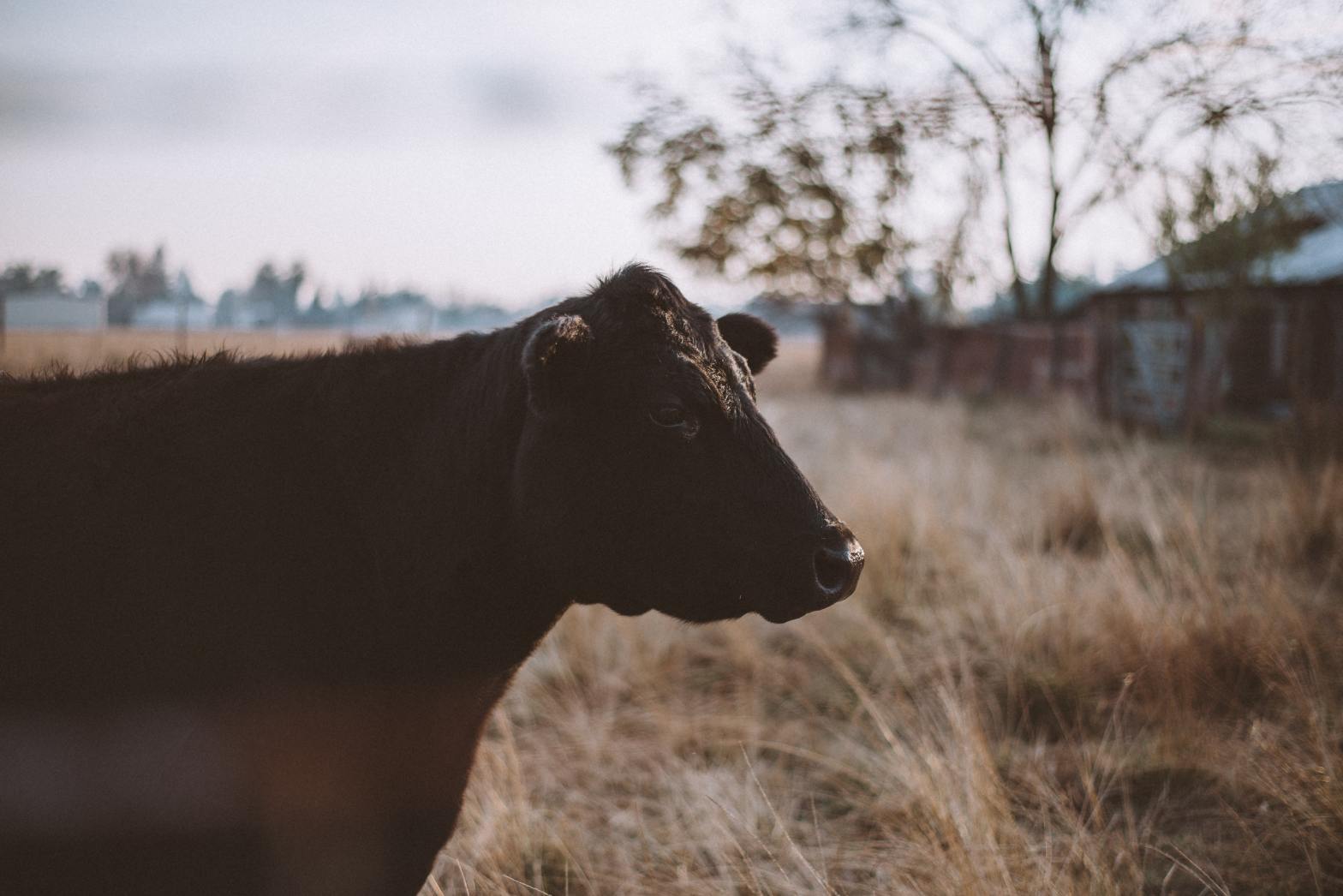
Photo by Lukas Souza on Unsplash

 Memoirs of a Country Vet