D. E. Larsen, DVm
Prologue
Canine Parvo Virus first emerged in Europe in 1976. It was felt to result from a mutation in the feline panleukopenia virus (feline distemper virus). Canine Parvo Virus was highly contagious and a sturdy virus that survived in the environment for months. By 1978 the virus had spread worldwide, causing a pandemic with high mortality in puppies and young dogs.
***
The air in the meeting room was warm and humid. The air conditioning was not winning the battle with the afternoon temperature of the early fall and the crowded room.
I don’t even remember the meeting topic. Maybe it was kidney failure treatments. But virtually all the conversation was concerning the recent outbreak of the Parvo Virus in Portland. Veterinarians were experiencing a mortality rate of near 95% in puppies and young dogs up to a year of age.
Treatment protocols were being discussed in every corner of the room. The poor presenter was unable to keep everyone’s attention. During the break times, those discussions intensified.
“I haven’t seen you at these meetings before,” George said as he cornered me at the coffee table. “Where are you located?”
“I just started a practice last year in Sweet Home,” I said.
“Sweet Home, where is that located?” George asked.
“You Portland guys never get out town, do you,” I said. “Sweet Home is on Highway 20, just at the eastern edge of the valley.”
“I’m not sure where Highway 20 is located.”
“It’s the highway from Corvallis to Bend. You know, the one that goes over the mountains.”
“Okay, a small town, I guess,” George said.
“Yes, it’s a small town. But you know, many benefits come with living in a small town.”
“How are you treating your Parvo cases?” George asked.
“I have to admit, up until today, I had serious doubts that the disease existed,” I said. “I haven’t seen a single case.”
“We are being swamped here in Portland,” George said. “How is it that you don’t see a single case?”
“I guess we’re on the edge of the population in the valley. It must be sort of natural isolation.”
“I have had several breeders who have tried to isolate themselves and have not been successful,” George said. “One lab breeder had a litter of twelve puppies and lost eleven of them before they were six weeks old.”
“I would say it is ridiculous to think you could isolate yourself in the middle of Portland,” I said.
“Maybe so, but they say this virus is tough. You can hardly get rid of it. All our disinfectants won’t kill it. The only thing that works is dilute Chlorox. Disinfecting the clinic after a sick puppy sneaks past the reception desk is a nightmare.”
“How do you handle a sick puppy?” I asked. “You can’t maintain an IV in the car.”
“We bring them in the back door to our isolation room,” George said. “When you give people the facts and the prognosis, there are not too many that want to try to treat a case. If the pup has a white blood cell count below two thousand, the chances of saving a pup are slim to none.”
“Well, for today, I am going to listen to the rest of the lecture,” I said. “Kidney failure is something I see regularly, Parvo, I don’t see.”
“Don’t be so sure. It is only a matter of time, and you will have a dozen cases the first week it occurs in Sweet Home.”
***
Of course, George was correct. My first case in Sweet Home came through the door in early 1978, and many followed. Mortality was high in those earlier cases. There was no standard treatment plan and no specialty drugs. Clients were reluctant to spend the money needed to treat a puppy with a poor prognosis. Whole litters could cost a small fortune to treat.
Some of my clients were able to isolate themselves and their dogs to keep the virus at bay. Their isolation was almost absolute. They would talk with me on the phone but would not venture into a veterinary clinic or pet store. Anywhere that another dog owner may walk was entirely off-limits.
***
“Barbara, we just got our first hundred doses of Parvo Virus vaccine in today,” Sandy said when Barbara answered the phone. “We are working off of a list, and you are near the top. Dave said we could do your dogs in the back of your van with no problem.”
“I understand that this is a killed virus vaccine, and it requires two doses. Is that correct?” Barbara asked.
“Yes, it requires two doses,” Sandy said. “Our plan is to use fifty doses and save the second dose. That way, nobody gets left without a booster.”
“I have a litter now that’s only five weeks old. Can we vaccinate them?”
“There is no maternal immunity to deal with. Dave thinks we should vaccinate them along with the rest of your dogs,” Sandy said. “They are telling us that the supply of vaccine is good, and in a few months, we should be able to order what we need. For now, it is a hundred doses at a time when they have it.”
***
A month later, we loaded Barbara’s last puppy back into the carrier after completing its booster vaccination.
“Now, we can start to relax a little,” I said. “In two weeks, we can consider these guys fully immune. You can start entering the real world with them at that time.”
“Oh, I don’t think so, Doctor,” Barbara said. “Last week, the AKC newsletter had some epidemiologist saying that we should continue our isolation even after our dogs are fully vaccinated.”
“Barbara, those epidemiology guys don’t live in the real world,” I said. “They sit in a marbled office, and they only talk to other doctors or the Ph.D. types. They have no concept of how people like you and me live. They have no idea how their recommendations impact your day-to-day life.”
“But what if we get an exposure?” Barbara asked.
“Barbara, this is a brand new vaccine that has been rushed to the market,” I said. “We know it works, but we don’t know how long it lasts. It is a killed virus vaccine, and we know that other killed virus vaccines give us an immunity that will only last a year or so, maybe less.”
“That is what I am saying,” Barbara said. “What if we had an infected dog on our property and then the immunity wears out, and we have a contaminated property?”
“When these dogs are immune, natural exposure to the virus is the best thing that could happen to them. It would give their immune systems a chance to develop a natural immunity to the virus. That’s better than any booster vaccination that man could make.”
“Okay, we have a meeting coming up with other breeders in a couple of weeks. We were thinking of not going because of the risks. But maybe we will go and see what everybody else is thinking.”
“Let me give you an example from another virus that I have a lot of experience with here in Sweet Home. Canine distemper was very common when I came to town. Two groups of dogs were highly susceptible to the virus. Dogs that had never been vaccinated, and dogs that had been vaccinated long ago and then lived a life that was isolated from the general population.”
“I haven’t heard of isolating against the distemper virus,” Barbara said.
“It wasn’t planned isolation. It was an old farm dog. He lived on the farm and rarely had any contact with other dogs. When the owner sells the farm and moves to town, the old dog is suddenly out in the street carousing with the neighborhood dogs. This is a new thing for the old farm dog. The old farm dog comes down with distemper. His immunity lapsed years ago, and he had no booster vaccinations. He had no natural exposures to boost his immune status. The other dogs were fine. Their immune systems saw the virus regularly.”
“You’re pretty confident in your opinion,” Barbara said. “It makes sense when you tell the story. We’ll have to give it some thought.”
“The world is a scary place at times,” I said. “But, we’d have never made it this far with forced isolation like you guys have lived through. This virus is everywhere now. It is probably at a point where you cannot practically isolate yourself from it. If not now, it’ll be there soon. You need to get your dogs out into the world again. Stop at a rest stop along the freeway and walk your dogs in the pet areas, something you would never have done last month. You need to think of natural exposures, and maybe when we have a vaccine with a little more confidence behind it, we can just do some boosters on a schedule.”
“Okay, I guess we can go visit my folks in Seattle. We haven’t seen them in over a year.”
“That’s good. Just make sure you wait a couple of weeks from this vaccination date.”
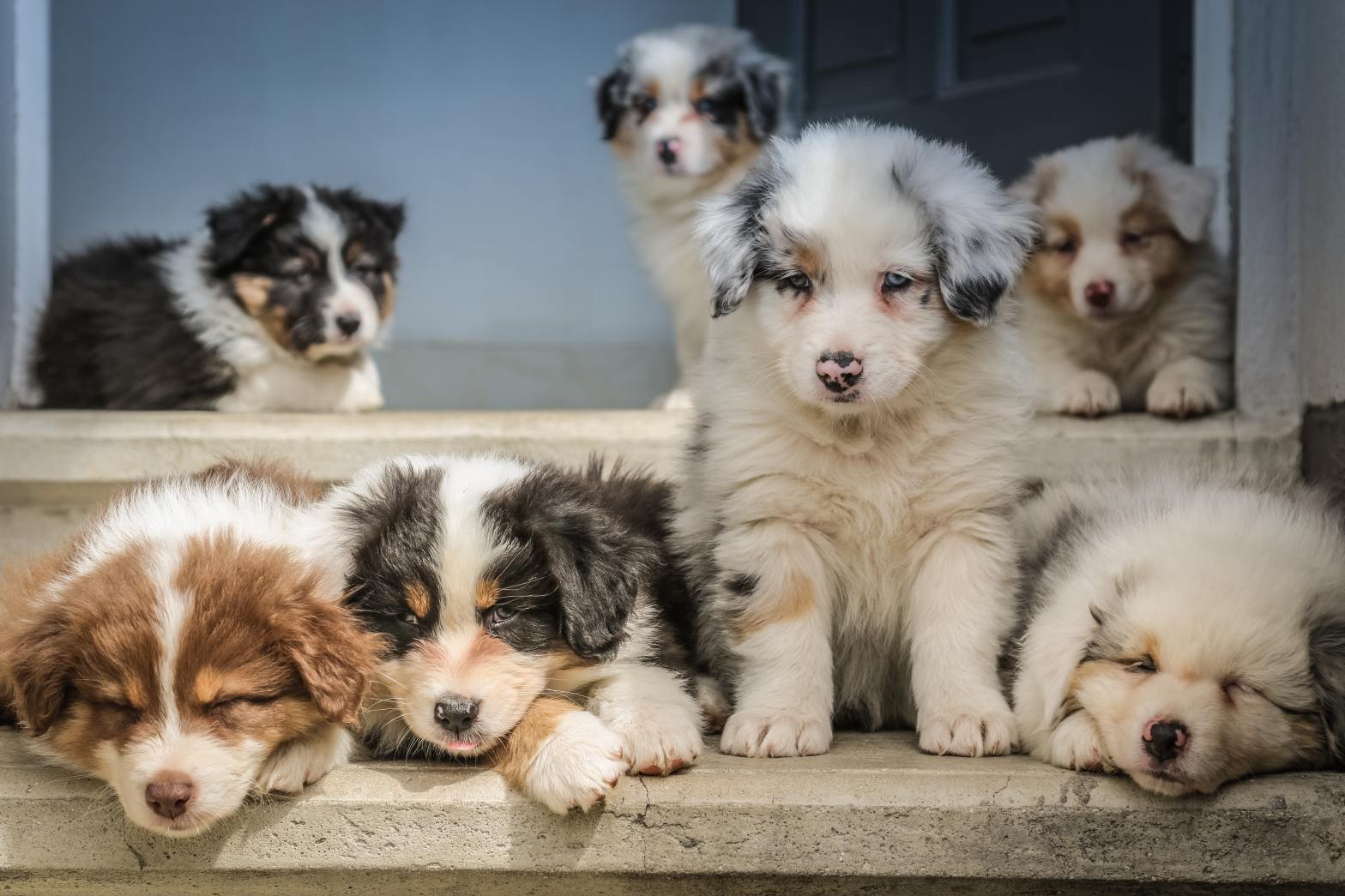
Photo by Jametlene Reskp on Unsplash


 Memoirs of a Country Vet