D. E. Larsen, DVM
Harry’s car pulled up to the clinic’s front and bumped hard into the curb in the diagonal parking space. One wheel of the vehicle almost coming up on the curb.
Watching out the window, Joleen said, “It looks like Harry has been drinking too much again.”
Harry stepped out of the car, and you could appreciate how large of a man he was. He just seemed to keep coming. He studied himself a bit, with both hands on the roof of the car, and leaned in to pull Buffy off the passenger seat.
Harry was an older man, well into his seventies, if not eighty. He lived by himself. The story goes that he started drinking heavily after his wife’s death, almost 10 years ago.
“I wonder what Buffy has been up to this time,” Joleen said?
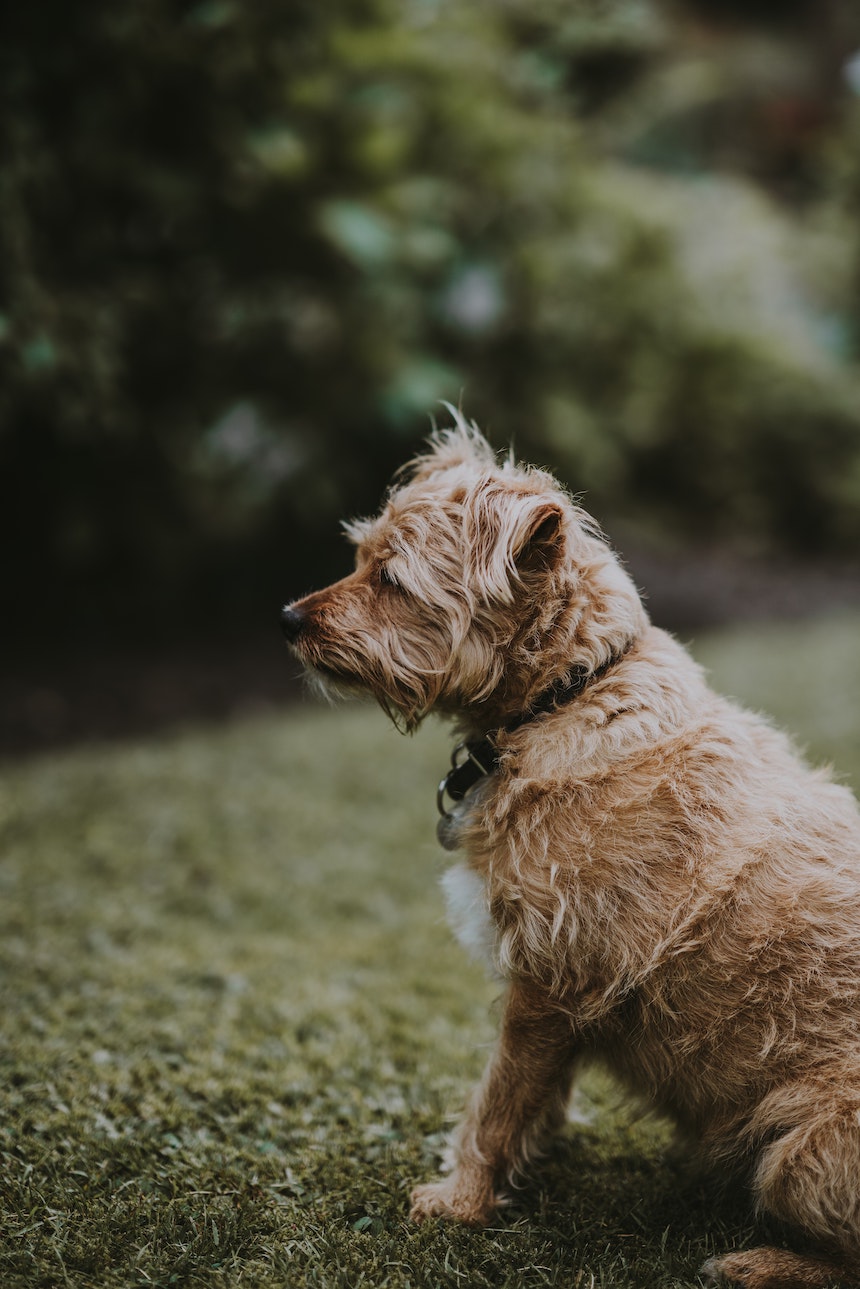
Buffy was one of those dogs who could be termed a mutt on his medical record, and he would fit the bill. If one had to pick a breed, you would probably call him a terrier. Small and rugged, he was not much to look at, but he was intensely loyal to Harry. He was perhaps the one thing that kept from going off the cliff with his drinking.
Buffy was also a tough little guy and would take on the biggest dog on the block every chance he could get. We had sewn up more than one gash on his body. His thick bristly hair coat hid most of the scars well.
Most of the time, when we would see Buffy, Harry was drunk. Sometimes, almost falling down drunk. It often took Harry several days to remember where he had left Buffy. As is often the case when the owner needs someone to watch after him.
Buffy was always protective of Harry and his space. Most of his visits came from wounds received in dog fights: bite wounds, broken legs, and various scrapes and bruises. Harry somehow always paid the bill.
Harry came through the door holding Buffy with bloody hands. He immediately handed Buffy to Joleen.
Joleen looked at the wounds and gasped. “What in the world happened to Buffy this time.”
“Two big dogs got him. They bit me, breaking up the fight. They were going to kill him this time.”
Buffy had deep punctures on both sides of his lower back and extensive muscle and skin damage.
“Harry, we will take care of Buffy,” I said. “You need to go get a doctor to look at that hand. Do you have somebody we can call to drive you there?”
“Yes, I have already called Jim to come to pick me up,” Harry said. “I think he just pulled up.”
“What should I tell Harry about how long will we be keeping Buffy?” Joleen asked as she started helping Harry out to the waiting car.
“Don’t worry about it. We will know more about how Buffy is going to do by the time Harry remembers where he left him.” I reply.
Buffy’s wounds were a real challenge, and had he not been so tough, he would not have survived. By the third day after admission, we could recognize extensive tissue death in the area of his wounds.
We went through a series of three or four surgeries to remove dead skin and muscle. By the time we had all the dead tissue removed, Buffy had lost a significant portion of skin and muscle on his left side and hip.
Buffy spends twenty-one days in the clinic, and he hated it every day. One could hardly blame him. Two or three injections and the constant bandage changes must make him believe we exist only to torture him. He cowers every time he sees me.
He is ecstatic when Harry finally takes him home. He still has large open wounds, but they are healing well, and finally, I believe, the wounds can be managed by Harry at home.
On the fourth day after Buffy was home, Harry calls the clinic. He’s drunk, but he can still talk.
“Buffy’s sick, can hardly walk.” Harry finally stutters into the phone.
Not sure who could hardly walk, Joleen asked, “Can you get him to the clinic, Harry?”
“Don’t think I can drive much right now.” Harry replies, with a stroke of insight that is uncommon for him.
“We will pick him up right after lunch, Harry. I just need to know where you live.”
I have received many different sets of directions in my years of practice. I have often criticized women for what I perceived as a failure to pay attention to details and inability to give accurate directions that a person could follow. But Harry’s directions were impossible.
Despite those directions, Joleen and I pulled into his driveway shortly after lunch. Harry lived in a small run-down shack, but it was surprisingly well kept.
We knocked on the door, and in a few minutes, Harry opened the door. He was hooked up to his oxygen bottle and having a little trouble walking. Buffy was at his heels. When he looked up and saw us, he had real dread in his eyes.
“My God, they know where I live,” those eyes seemed to say. Buffy reared back and headed for the back room, staggering on stiff legs. He was attempting to crawl behind the small cabinet when I caught up with him.
“What is wrong with him,” Harry asked?
“It looks like Buffy has tetanus,” I said. “Tetanus in the dog is rare. I have only seen it in one other dog. The good thing is dogs are resistant to the disease, and most will survive with treatment.”
Joleen took Buffy from my arms, “I think he feels safer with me.”
“We will probably need to keep him for another week or two, Harry. We will give you a call when he is ready to go home,” I said.
Buffy spent another twenty days in the clinic. He responded well to treatment. We kept him a few extra days to make sure Harry could handle his treatments at home.
This time, we had Harry bring Buffy to the clinic several times a week. Just so we could keep track of the wounds. These visits became a struggle. Buffy would be under the car seat before Harry was fully parked in front of the clinic. Joleen had to wrestle him out from under the car seat and into the clinic.
“Harry, next visit, you call when you leave the house, and you park over at Safeway,” Joleen instructed. “I will come over there and get Buffy.”
On the first trip after that, Joleen opened the passenger door and grabbed Buffy before he could get off the seat. Harry staggered his parking location on each visit, and Buffy never seemed to catch on to the game.
Finally, Buffy’s wounds healed. He was scarred but functional.
“Now you just have to keep him from going out and picking a fight with the big boys,” I told Harry as he made his last visit.
“I think this little guy is going to be an inside dog from now on,” Harry said. “I will probably have to stop drinking. That is what got him into trouble last time. I let him out to do his business because I was too drunk to walk him.”
“Maybe both of you have learned a lesson,” I said. “It will be a good thing if Buffy helps you to slow down on the bottle.”
“How much do I owe you, Doc,” Harry asked?
“Your bill is pretty big,” I said.
“I don’t have much, but I will pay you $50.00 a month, probably forever,” Harry said as he shook my hand.
Harry faithfully paid $50.00 a month, every month until he died. He was always thankful for Buffy’s recovery. If people were half as sincere as Harry, credit problems would be non-existent.
Buffy hated me for the rest of his days.
Photo by Annie Spratt on Unsplash


 Memoirs of a Country Vet