D. E. Larsen, DVM
I first experienced a lesson completely devoid of textbooks or blackboards during my first year of veterinary school. I was with Doctor Davis in a horse stall. I learned more in that hour than in any classroom hour in my life.
Dr. Davis had cared for the mules in Merrill’s Marauders’ march across Burma during WWII. He couldn’t carry a library, not even a textbook. He had the knowledge and the will to add to his database when he encountered new problems.
I should not have been surprised when I kept learning things once I started in practice. I shouldn’t have been, but I was. Most of the time, it is called experience.
It came in many forms, and usually at unexpected times. They were lessons that, in most cases, were never forgotten.
Some were simple, common-sense things. Things I should have known from the comic strips I read as a child.
Don’t use a plastic feeding tube on an old goat; he will eat it. I kicked myself on that one as I looked at the missing end of the esophageal feed tube. Thankfully, someone designed the rumen with a reticulum to handle such carelessness.
Other lessons were learned from listening to the voice of past instructors. “If you haven’t accomplished the task in twenty minutes, rethink what you are doing, and try a different way,” Dr. Aness would say.
That voice came to me many times, mostly during difficult deliveries when sweat was dripping off my eyebrows and clouding my vision. I was usually well past twenty minutes before my mind would allow those random thoughts to filter through. I often learned I could accomplish things of my own invention, often these were better techniques that I would continue to use in practice.
Probably the hardest lessons for me to learn in practice, and the most expensive, were in judging people,
Life was simple when and where I grew up. Men were mostly good, and women. But there were a few bad apples. A man’s handshake was stronger than any lawyer’s paper. Once a man was categorized, there was little that could change his position.
It took me a long time to learn that there are men who can look you in the eye, shake your hand, and lie through their teeth.
Ed brought in a dog with a fracture of the femur, the thigh bone, on its left hind leg. The dog had been in the pasture chasing Ed’s horse. Ed shot at him with a twenty-two, trying to scare the dog enough for it to quit chasing the horse.
The problem was that Ed was a poor shot and hit the dog. Probably lucky he didn’t hit the horse. That should have been my first clue. I shook my head in disbelief as Ed told the story. How could anyone be that stupid, I thought.
We reviewed the X-rays of Wolf’s fracture together. I explained that the fragmentation at the fracture site made this a difficult repair. And I explained that it was probably at the edge of my capability with what I had to work with at this clinic. He might be better off seeing Dr. Barclay Slocum in Eugene.
“That might be over my budget,” Ed said.
I thought that was a bit of honesty,
“It is not going to be exactly cheap here,” I said. “And I have to work on a cash or check basis.”
“What do you think your fees will be?” Ed asked.
“I think we will be looking at something between five and six hundred dollars,” I said. I knew this was a high fee for Sweet Home in 1977. Often, if the bill was over one hundred dollars, we would end up talking about euthanasia. “I am going to have to wire those big fragments together, place an intramedullary pin in the bone, and to help stabilize everything, I will use a Kirschner half-splint. That is going to involve a lot of surgery time and a lot of follow-up visits, both surgical and medical.”
“Okay, when can you get it done?” Ed asked.
“I can do the surgery this afternoon,” I said. “If everything goes well, Wolf can go home in the morning. We can get things started if you can leave a check with the front desk.”
“I left my checkbook at home,” Ed said. “Is it okay if I bring it in the morning?”
“Okay,” I said. “I will give you a call when I’m out of surgery, and you need to call in the morning to make sure Wolf is ready to go home. Call about mid-morning.”
“Sure, and I will bring a check in the morning,” Ed said as he extended his hand.
I shook his hand and felt better about the ‘check coming in the morning’ comment.
Surgery went well. It had not been too long since I was in school, so the repair was fresh in my mind, but it was definitely the most difficult fracture repair I had been involved with.
The following morning, Wolf was up and looking for breakfast. He was using the fractured leg more than I would like, but I got him ready to go home.
Ed came to pick him up. No checkbook again.
“I’ve run into some problems, Doc, but I should be able to get you paid at the next visit,” Ed said as he extended his hand again. I shook his hand, knowing that he had probably taken me to the cleaners. I couldn’t undo the surgery, and keeping the dog was not an option for the clinic at this point.
Making a long story short, Ed never paid. Each visit, he had an excuse. When Ed walked out the door the last time with a normal Wolf in tow, he never looked back. The collection agency didn’t have any better luck.
That was a significant loss for a new clinic still working to get our feet on the ground. I wish I had learned, but there were several more episodes very similar to it before I finally realized that not everyone was raised like me.
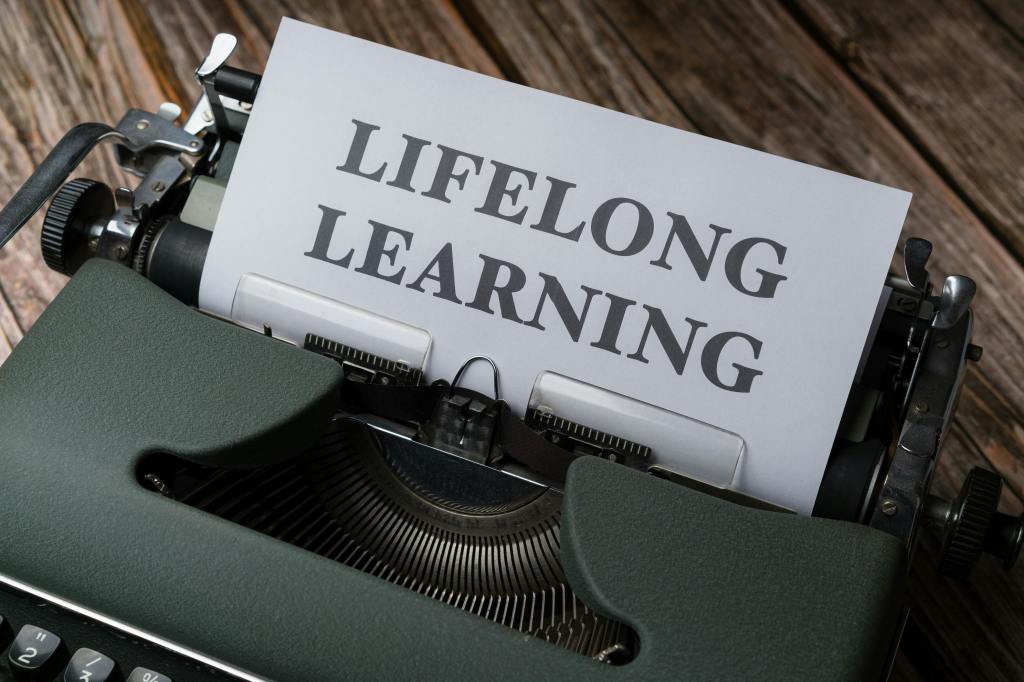
Photo Credit: Markus Winkler on Pexels


I have wondered what people like that alibied to themselves when they never paid you back. I can appreciate an honest, I can’t pay you back immediately, but I’ll pay you $10/month for 10 months to repay the $100 you lent me. But they come around again with hands out for an emergency. After the second request, with no attempt to repay the loan (it was never a gift), I say sorry, Charlie. (Some of us are slower learners than others.) I have gone out with people who made less than I did and maybe they paid for the appetizer while I paid for the meals. I always thought that was fair since we each paid what we could afford. I also had employees who paid in services (like cleanup that nobody else wanted to do) that I rated as more valuable than the a bag of chips or a 6 pack of soda at pot luck events.) You often can’t pay people to do clean-up after a party.
LikeLike
Thank you, Dr Larsen, for the wise words, but I have to thank you for helping the innocent dog, while you had the feeling that the man would let you down.
Joanna
LikeLiked by 1 person
I remember you writing in one of your stories that Dr. Davis had cared for the mules in Merrill’s Marauders. I bet you did learn a lot from him. You are right, lessons learned, including judgement, is a lifelong process. I liken it to a file folder where the information keeps going in.
You did the right thing for that unfortunate dog, giving him a second chance at life and you learned more about what was possible to do from the surgery and treatment. That improved your already impressive surgical skills. Your judgement skills too, although it was a costly lesson. My father had a few words of wisdom I will spare you on the “cost” of learning which he tried to impart to his children, but we all have to go through the process ourselves. It never ends.
LikeLiked by 1 person
and they never change their stripe!
LikeLike